
For more than forty years, Debra Stone’s murder lingered in the uneasy space between knowing and proving.
An informant came forward early on with a story that, in hindsight, mapped almost every detail of what happened to her, yet the case drifted through the decades, weighed down by doubt, fear, and a single failed polygraph that stalled momentum.
When investigators finally reopened the file in the 21st century, it wasn’t modern DNA science that brought clarity. The evidence had already been there. What the case needed was the will to look again and confront the truth that should have been acted on long ago.
Discovery
It was Sunday, September 2, 1984 – Labor Day weekend, the unofficial closing chapter of summer in New England – and a group of teenage boys were spending the afternoon on a small boat on the Narrow River in Narragansett, Rhode Island.
Just north of the Middlebridge Road bridge, they noticed something drifting in the water that didn’t belong. It was an indistinct shape at first, heavy and wrong against the current, the kind of thing the eye resists naming. Out of curiosity, they maneuvered closer and decided to tow it to shore near Mitchell Avenue.
What they pulled from the river was a soaked sleeping bag, bound with rope, and a cement cinderblock tied at the far end in an apparently failed attempt to keep it from surfacing. Inside was a sight those teenagers have likely tried to forget ever since. It was the nearly nude body of a woman.
Narragansett Police responded and confirmed the discovery. As officers and investigators worked the shoreline, they began to notice unsettling details: The woman had been placed into the sleeping bag head first. She was nude except for an unhooked bra. There was a white-colored glove tangled in the ropes around the body. The cinderblock also had a few mussels attached to it, suggesting that it had been in the water long enough for the mollusks to stake their claim on the concrete surface.
At the scene, investigators catalogued what little evidence the river had not yet claimed: the tan sleeping bag with floral designs, snapped shut at the bottom near the victim’s head; a length of rope believed to be an ordinary household clothesline; the white glove; and the cinderblock itself.
One distinguishing mark stood out on the woman’s body: a tattoo of a cannabis leaf on her right wrist. But with no identification on her, she was transported to the Rhode Island Medical Examiner’s Office.
During the autopsy, the medical examiner documented a suspicious mark on the right side of the woman’s neck, roughly an inch long and a quarter inch wide, along with four small abrasions and contusions. Beneath the skin, there was hemorrhaging in the strap muscles and subcutaneous tissue of the neck. Her hyoid bone was fractured, with hemorrhage at the fracture site, both injuries consistent with strangulation.
Her body showed a moderate degree of decomposition, likely related to her time in the water. Based on the condition of the remains, the examiner estimated she had been submerged for anywhere from 24 hours to as long as two or three days. There were no signs of drowning; she was already dead when she entered the river. Toxicology testing revealed no drugs in her system at the time of discovery.
The cause of death was listed as asphyxia due to strangulation, and the manner of death: homicide.
Finally, fingerprint records gave the woman back her name. She was 24-year-old Debra A. Stone.
Circumstances of Debra’s Life
Debra had grown up in Providence and Warwick, and those cities remained the backdrop of her short life. By her early twenties she was working nights at a nightclub called Rooster’s in Providence, a job that kept her in the margins of the after-hours world and in close contact with the kinds of people who thrived there.
It was in the early 1980s that she began using drugs, a shift that pulled her into a circle of friends who not only used substances but also sold them.
Debra had a boyfriend for a while, but in the months before her death, that long-term relationship unraveled. Witnesses later described the breakup as tense and volatile. Some recalled seeing bruises on her body during the course of the relationship and believed her boyfriend may have been physically abusive.
After the breakup and by late summer of 1984, Debra was living at 200 Hoffman Avenue in Cranston. She had only recently moved into the apartment with a man who, by all accounts, was still something of a stranger in her life.
The names of witnesses in the publicly released records are redacted for privacy, but for the sake of this story, I’ll refer to this roommate by the pseudonym Marty.
Debra’s life was complicated and often unsettled, which left behind a loose web of people but very few clear answers. Investigators began to piece together the physical evidence and the memories of those who had crossed paths with her in her final days.
Early Investigation
The rope used to bind Debra’s body was sent to the FBI, but this was an era before DNA analysis reshaped homicide work. Instead of genetic material, examiners focused on the knots themselves. Their conclusion was blunt: the knots showed no sign of professional skill. They were not intricate, not distinctive, simply the work of someone ordinary and untrained, who failed to leave a signature behind.
A local biologist examined the cinderblock and the mussels that had attached to it, hoping the river might offer a timeline. The answer was frustratingly imprecise. Based on the lack of algae, the biologist could say only that the block – and Debra with it – had been in the water a relatively short time. It was like a scientific shrug in the face of a murder.
The clearer clues came not from the riverbed but from the last night Debra was seen alive. A friend of Debra’s told police that on August 29, 1984, she received a phone call from Debra. Debra said she was heading to someone’s house in the Johnston area to “get high” and the man had sent a cab to pick her up. During that call, Debra made plans to meet her friend later that evening, around 11 p.m., at the friend’s mother’s apartment. But she never arrived.
Her friend began asking questions almost immediately, trying to learn who this man was who had summoned Debra by taxi. The name that came back was Bobby Myers, who was said to live in an apartment complex on Simmonsville Avenue in Johnston.
Police followed the very same trail. After calling around to local cab companies, they reached a driver with Laurel Sweeney Cab who remembered the fare. He had picked up a woman at 200 Hoffman Avenue on the night of August 29, sometime between 9:30 and 10 p.m. Shown a photo array, the driver identified Debra without hesitation. He said he dropped her off at the Simmons Village Apartment Complex, building number 349.
Debra Stone’s story continues on Dark Downeast. Press play to hear the full episode wherever you get your podcasts.

Debra Stone. Source: Rhode Island Attorney General’s Office Investigative Report - Stone Homicide, 2025, provided by family
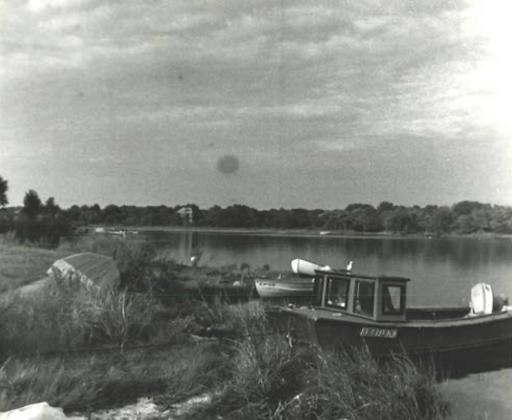
The Narrow River as photographed on the day of Debra’s discovery. Source: Rhode Island Attorney General’s Office Investigative Report - Stone Homicide, 2025
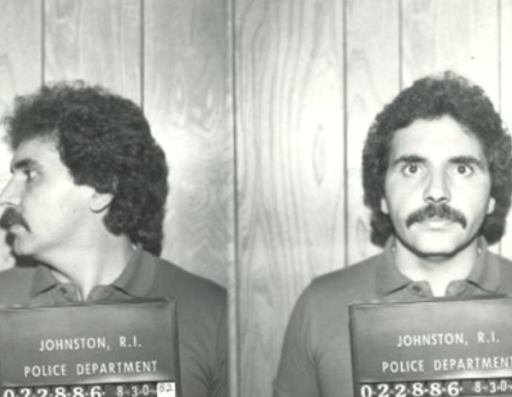
Robert Geremia photographed in an unrelated case. Source: Rhode Island Attorney General’s Office Investigative Report - Stone Homicide, 2025
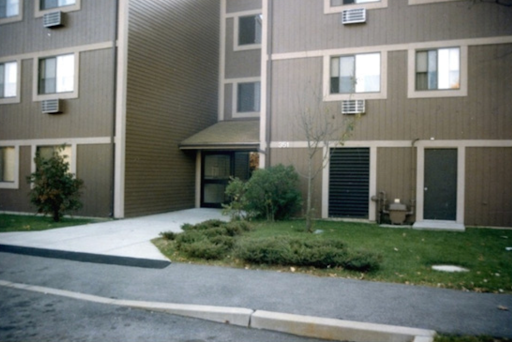
Robert Geremia’s apartment building as photographed in 1986. Source: Rhode Island Attorney General’s Office Investigative Report - Stone Homicide, 2025
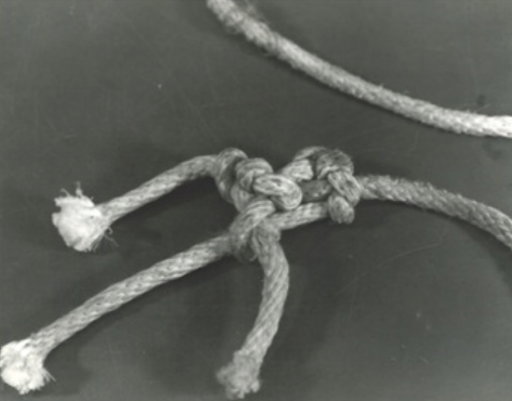
Rope used to attach the cinderblock to Debra’s body. Source: Rhode Island Attorney General’s Office Investigative Report - Stone Homicide, 2025
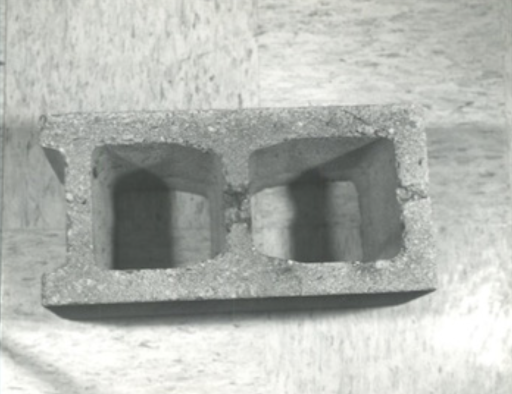
Cinderblock collected as evidence. Source: Rhode Island Attorney General’s Office Investigative Report - Stone Homicide, 2025
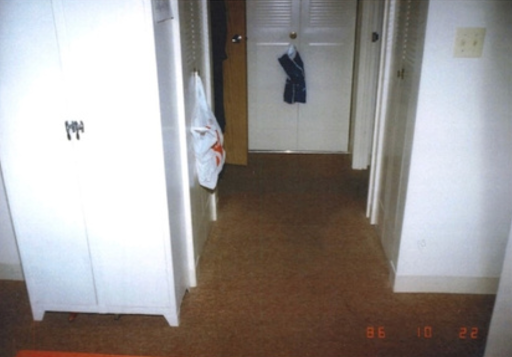
Section of carpeting inside the apartment later removed for analysis. Source: Rhode Island Attorney General’s Office Investigative Report - Stone Homicide, 2025
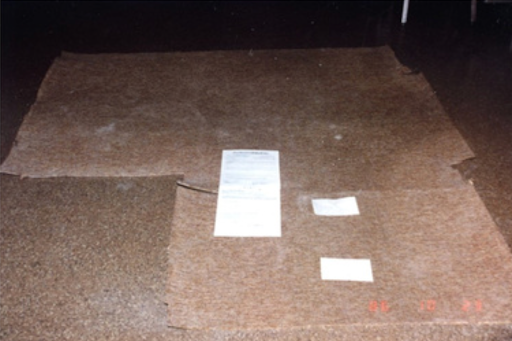
Carpet from the suspect’s apartment removed for analysis. Source: Rhode Island Attorney General’s Office Investigative Report - Stone Homicide, 2025
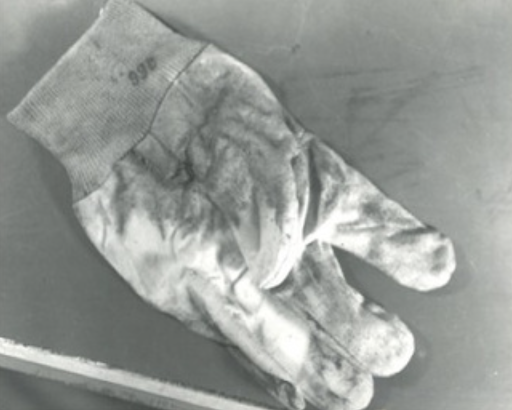
The glove found entangled in rope attached to Debra’s body. Source: Rhode Island Attorney General’s Office Investigative Report - Stone Homicide, 2025
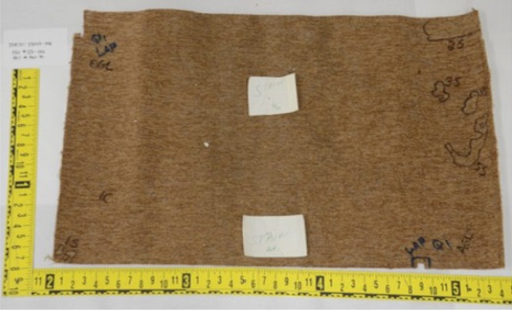
The section of carpet with the fluid was preserved for decades. Source: Rhode Island Attorney General’s Office Investigative Report - Stone Homicide, 2025
Episode Source Material
- Rhode Island Attorney General’s Office Investigative Report – Stone Homicide, 2025
- Woman found in river identified by Karen Lee Ziner, Evening Bulletin, 5 Sep 1984
- No ‘serial’ matchups found in unsolved R.I. slayings by Paul Duggan with reports from Tim Murphy, George Trafford, Roger R. House III and Karen Ziner, Providence Journal, 6 Sep 1984
- Film may hold clues to death of woman found in Narrow R. by Karen Lee Ziner with reports from Dave Crombie and Geroge Trafford, Providence Journal, 7 Sep 1984
- Police probe ‘serial’ link in reported attempt to strangle woman with bra by Brian C. Jones, Providence Journal, 8 Sep 1984
- In Memoriam: STONE, Debra A. published in the Providence Journal, 15 Feb 1985
- Chief’s annual report shows dip in breaking and entering cases, Evening Bulletin, 11 Mar 1985
- Man found slain in Narragansett is illegal Guatemalan immigrant by Tim Murphy, Evening Bulletin, 15 Aug 1985
- 2 suspects jailed in murder plot, Fort Lauderdale News, 7 Jul 1985
- Suspects, in Florida, resist return to R.I., Providence Journal, 9 Jul 1985
- Johnston man pleads innocent to Olneyville shooting, by Diane […], Providence Journal, 25 Jul 1985
- Gorodetsky, state police clash over nightclub raid by Mike Boehm, Providence Journal, 29 Mar 1984
- For Narragansett detective, solving cold case was about giving closure by Bill Seymour, The Independent, 8 Nov 2025