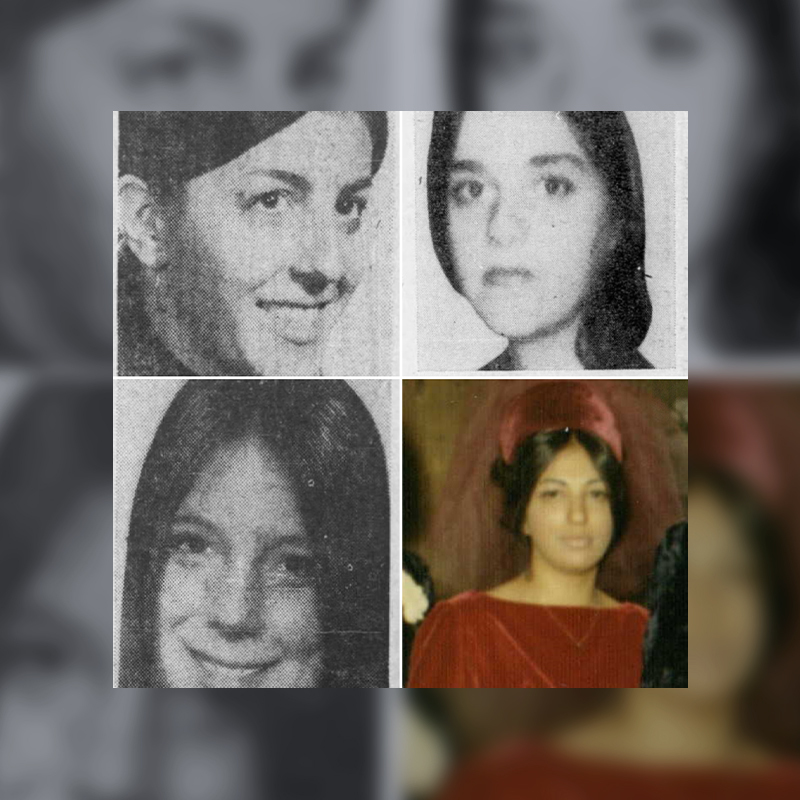
Judy Belfrey. Kathy Williams. Holly Davidson. Melodie Stankiewicz. Four young women whose lives crossed the same few blocks of Boston in the 1970s, and whose deaths left investigators with a pattern they could see but never fully explain.
The cases unfolded in different places and under different circumstances, but there was enough overlap to consider a connection. Again and again, investigators were drawn back to Boston’s Combat Zone. The question then – and now – is what that shared geography means. Was one killer returning to the same hunting ground, or were multiple dangerous men taking advantage of a neighborhood where it was easy to disappear?
If you have information about Judy Belfrey’s murder, contact the Boston Police Homicide Unit at 617-343-4470.
For information about Kathy Williams or Holly Davidson, contact the Massachusetts State Police Unresolved Case Unit at 1-855-MA-SOLVE, or 1-855-627-6583.
If you have information about Melodie Stankiewicz, contact the New Hampshire Cold Case Unit at 603-271-2663.



Judy Belfrey
By five o’clock on Tuesday evening, June 7th, 1977, 17-year-old Judy Belfrey was at the 663 Lounge on Washington Street in Boston, also called the Six Six Three by those in the know. It was at the heart of Boston’s Combat Zone, once a pulsing adult entertainment district built around bars, adult theaters, and late-night anonymity.
According to reporting by John F. Cullen for the Boston Globe, Judy was there with her friend, 21-year-old Carol, sitting at the bar, having drinks and talking with some of the people around them. At some point around 6:30, a man joined the conversation. He looked to be in his 40s. According to Carol’s later account, before long, the man offered Judy $50 to leave with him.
Carol said that Judy didn’t immediately say yes. She pulled Carol aside first, and the two spoke privately before Judy decided to accept the offer. She and the man left the lounge together, got into a cab and went to Carol’s apartment at 59 Burbank Street in Back Bay, where Judy had been staying. She returned to the lounge sometime between 7 and 7:30 that night, and the man came back, too.
No one who saw the guy that evening remembered anything that would have made him stand out as dangerous or threatening. And so when he approached Judy again later that night with the same proposition – another $50 – there was no reason to think this time would be any different from the first. At around 8:30, Judy told Carol that she was leaving with him again. She said she’d be back within an hour.
9:30 came and went, and Judy still hadn’t returned. By around 9:45, Carol was worried enough to start calling her own apartment, but there was no answer. She tried again, and then a third time. By 10:30, after nearly two hours without hearing from Judy, Carol decided to go check the apartment herself.
Carol took a cab and asked the driver to wait outside. She found her apartment door was cracked open and the two chain latches were hanging loose. She pushed through the doorway and stepped inside.
Judy was lying on the living room floor. Carol ran to the waiting cab and told the driver to take her straight to the District 4 police station to report what she’d found.
Bonnie Selway reports for the Boston Herald that when investigators arrived, they found Judy fully clothed, laying partially on her left side with her legs slightly bent and her feet crossed. Her pocketbook had been tossed onto the rug near her head and her wallet was missing, her glasses were smashed nearby, and the umbrella she’d been carrying that night was broken into two pieces near her feet. Police theorized Judy had been attacked from behind as she walked into the living room and that there had been a struggle.
The medical examiner later determined that Judy died from asphyxia caused by manual strangulation. There were bruises around her neck, including a mark left by a gold heart-shaped locket she’d been wearing.
Officers canvassed the building and found two people downstairs who may have heard the attack in progress. Two male students who lived in the apartment directly below told investigators that at around 9:30 that night, they heard a woman screaming upstairs, and then a thump against the floor followed by footsteps. After that, everything went quiet.
Police questioned the students at length, wanting to know why neither of them had gone upstairs or called for help. Both said they’d assumed they were hearing some kind of domestic dispute that didn’t need their involvement.
Police considered the possibility that robbery was the motive, especially because Judy was reportedly carrying money she’d received earlier that evening and her wallet was nowhere to be found. But after speaking with Carol and other women at the Six Six Three, investigators also knew that the person responsible may not have been some completely unknown figure. According to witnesses, Judy had willingly left the lounge with a man less than an hour before neighbors heard those screams, and she’d already spent time alone with that same man earlier in the evening.
But why Judy was even in that lounge, in Boston’s Combat Zone at all, simply did not add up for those who knew and loved her.
About Judy Belfrey
Just a few months earlier, Judy’s life had been centered in Sudbury, where she lived with her family and attended Lincoln-Sudbury Regional High School. People at the school described her as attractive, popular and well-liked, but there was also a quieter side to her. Friends and classmates remembered someone warm and friendly, but who could be private and keep things to herself.
Judy loved being outdoors. She hiked and backpacked, and had worked to overcome a fear of heights. By the summer before her death, Judy was climbing mountains and proudly talking about walking along ledges that once would have frightened her.
That adventurous streak was part of what had brought her to Boston in the first place. Judy was one of about 20 Lincoln-Sudbury students selected for an experimental school program called Alternate Semester. Instead of spending the second half of the school year in a traditional classroom, the students moved into Boston, lived with host families they weren’t related to and worked in the city. The idea was to give teenagers some independence while they were still connected to the school – to let them make decisions for themselves, meet people outside the world they knew and get some experience living in what the program described as the “real world.”
Beginning that February, Judy lived with the Young family at their home on West Newton Street in the South End. The Youngs said Judy was a nice kid and a pretty typical teenager who liked knitting, sewing and listening to records.
According to James Hammond and Alexander Hawes Jr. of the Globe, Judy split her workweek between two very different places. Three days a week she worked at Clothware, a women’s clothing collective in Harvard Square that manufactured and sold its own clothes. The other two days she spent at the Children’s Museum, working with kids.
Her experience at Clothware wasn’t entirely smooth. About a month into the job, Judy began missing work. Sometimes she called to say she was sick; other times she simply didn’t show up. Her employers brought their concerns to the coordinators of the school program, and there was a meeting with Judy. Things improved somewhat afterward, and the people at Clothware tried giving her work that seemed better suited to her. Judy was a talented seamstress, and she initially seemed to enjoy sewing more than working the register or handling other jobs around the store, although even that seemed to lose her interest as the semester went on.
The people who worked with Judy were careful not to turn those attendance problems into something larger than they were. They didn’t describe her as a bad kid or someone who couldn’t handle responsibility. In fact, they said that when Judy was given something to do, she did it very well.
Working with children seemed to be where Judy’s passion grew. She’d learned American Sign Language during her time at the Children’s Museum and was hoping to work at the Deaf Community Center in Framingham that coming fall. She was thinking about summer plans, too. Less than a day and a half before her death, Judy called her mother, Shirley, excited to tell her she’d applied for two jobs in Boston: one at a bank and another as what was then called a television “scriptgirl.”
By then, the Alternate Semester had officially ended and Judy moved out of the Youngs home around May 15th. The students took trips together to celebrate the end of the semester, including a bike trip to Cape Cod, and then Judy returned to her parents’ home over Memorial Day weekend.
Exactly where Judy was living in the days leading up to her death isn’t entirely clear. Some contemporary reports said that after leaving the Youngs’ home, she began staying with her friend Carol at the apartment on Burbank Street, only a few blocks away. Other reporting described it more as a place Judy visited from time to time rather than her permanent residence. What is clear is that Judy knew Carol well enough to spend time with her there, and that on June 7th, it was Carol who knew where Judy had gone, who she’d gone with and when she was supposed to come back.
Now, according to Carol, she and Judy also spent time together at the Six Six Three. Carol worked at a bank during the day but also had been engaged in sex work in Boston’s Combat Zone for about eight months. Based on conversations with Carol and other women who were involved with sex work in the same bars and lounges of Boston’s adult entertainment district, investigators believed Judy had recently begun doing the same.
Let’s clear this up right now: Judy was seventeen – a child. And whatever the newspapers suggested about her possibly making that decision herself in the mid-1970s, today, a child cannot consent to commercial sex. Today, that would be sexual exploitation of a child, what we recognize as child sex trafficking, not sex work.
Through the papers, Judy’s mother was hearing a version of her daughter that she barely recognized. Shirley knew about Carol. Judy told her that they’d become friends while she was living in Boston for the school program. But police were now describing something very different from what Judy’s family believed to be true. She couldn’t picture her daughter spending time in a Combat Zone bar, much less willingly leaving with a man who appeared to be around forty.
Judy’s older sister Jean pushed back against the idea that there had been some completely separate life her family knew nothing about. She described Judy as independent but sensible, someone who knew how to look after herself and make her own decisions. What bothered Jean most was the way attention seemed to be shifting toward Judy’s choices rather than the person who killed her.
There was an important limitation to the police account. Lieutenant Jerome McCallum, who headed Boston’s homicide unit, acknowledged that the information connecting Judy to commercial sex came from conversations with women in the Combat Zone but at that point, he said investigators didn’t have other evidence supporting that part of the story.
Those same women, though, were the ones helping police reconstruct the final hours before Judy was killed.
The cases of Boston’s Combat Zone continue on Dark Downeast. Press play to hear the full episode wherever you get your podcasts.
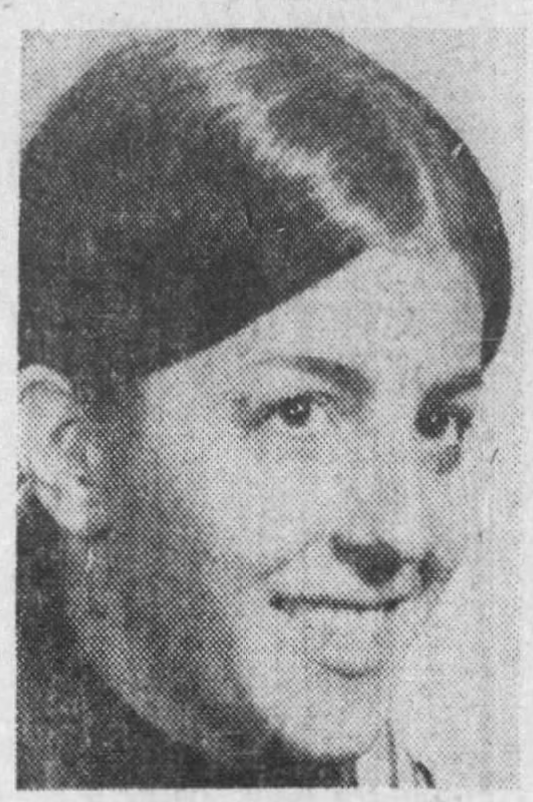
Holly Davidson, source: Boston Globe published August 3, 1975
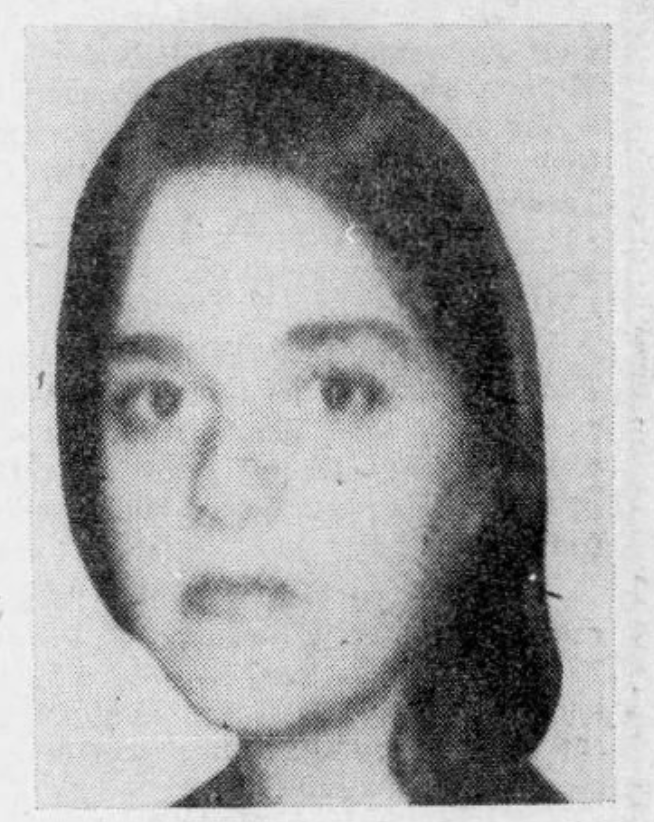
Judy Belfrey, source: Boston Globe published August 3, 1975
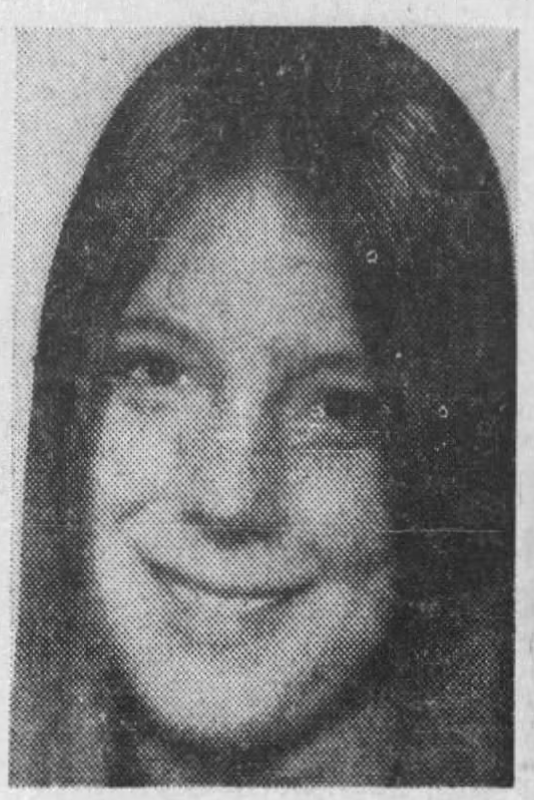
Kathy Williams, source: Boston Globe published August 3, 1975
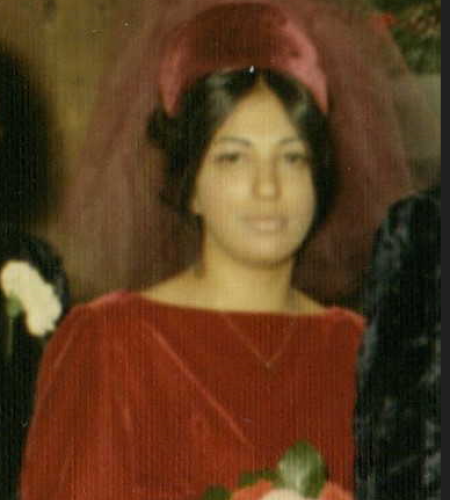
Melodie Stankiewicz, source: New Hampshire Department of Justice
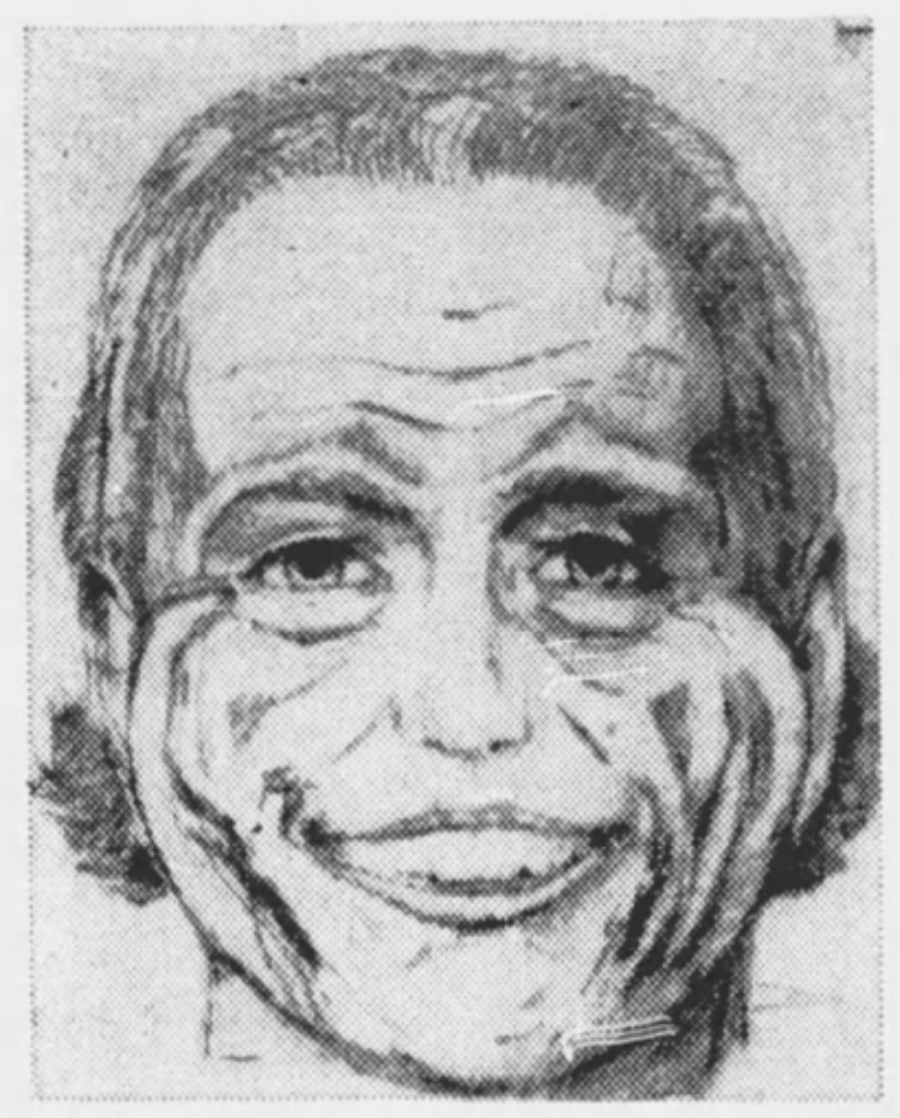
Composite sketch generated by Boston Police Department of the potential suspect in Judy Belfrey’s case, source: Boston Globe published June 14, 1977
Episode Source Material
-
MENTIONED IN THIS EPISODE
Crime Junkie – MURDERED: Joan Webster & Marie Iannuzzi
- Police probe death of woman found in Lawrence today, link earlier murders by Patricia Wagner, The Sun, 26 Mar 1975
- Police believe murders of 2 women connected, The Patriot Ledger, 26 Mar 1975
- Methuen, Andover stranglings linked by police, Boston Globe, 26 Mar 1975
- Four slayings in eastern Mass. are investigated, Associated Press via Daily Hampshire Gazette, 26 Mar 1975
- Police hunt killers, United Press International via The Morning Union, 27 Mar 1975
- Police search for Boston murder suspect, continue probe slayings of two women by Patricia Wagner, The Lowell Sun, 28 Mar 1975
- Murder victim identified, Associated Press via The Portsmouth Herald, 2 Jul 1975
- Woman’s death ruled murder, Boston Herald, 2 Jul 1975
- N.H. police ask help in solving woman’s murder, Boston Herald, 5 Jul 1975
- Body identified, United Press International via Valley News, 7 Jul 1975
- A pattern of prostitute slayings by David Blundy, Boston Globe, 3 Aug 1975
- 2 states investigating slaying of prostitutes, Associated Press via Hartford Courant, 4 Aug 1975
- Tattooed prostitutes murdered, Associated Press via The Portsmouth Herald, 4 Aug 1975
- Sudbury girl 4th victim of lounge pickup by John F. Cullen, Boston Evening Globe, 9 Jun 1977
- Sudbury girl, 17, slain in Boston, Associated Press via The Lowell Sun, 9 Jun 1977
- Sordid death spoils life in ‘big city’, Associated Press via Telegram & Gazette, 9 Jun 1977
- Sudbury girl slain in Back Bay by James Hammond and Alexander Hawes Jr., Boston Globe, 9 Jun 1977
- Teenager found slain in apartment, Associated Press via The Morning Union, 9 Jun 1977
- ‘Combat Zone’ visit ends with murder, Associated Press via North Adams Transcript, 9 Jun 1977
- Teen found slain hours after she left Combat Zone, Associated Press via Concord Monitor, 9 Jun 1977
- Police seek ‘Combat Zone’ link to 5 female murders, Associated Press via The Republican, 10 Jun 1977
- Girl’s friend to be quizzed for clue to killer by John F. Cullen, Boston Evening Globe, 10 Jun 1977
- The two lives of Sudbury’s Judy Belfrey, 17 by Bonnie Selway, Boston Herald, 10 Jun 1977
- Killer hunted in Hub, Associated Press via The Morning Union, 10 Jun 1977
- Those who knew her are bewildered by slaying by Anne Hughes and Teresa M. Hanafin, Boston Globe, 10 Jun 1977
- Girl’s death may be tied to three Zone killings by John F. Cullen, Boston Globe, 10 Jun 1977
- Girl’s death, four others, may be tied, Associated Press via The Sun, 10 Jun 1977
- Boston police seek link to slayings, Associated Press via North Adams Transcript, 10 Jun 1977
- Cabdriver queried in girl’s murder by John F. Cullen, Boston Globe, 11 Jun 1977
- Police have few clues in Sudbury girl’s murder, Boston Globe, 12 Jun 1977
- Berkshire jury to get evidence in slaying by Ray Richard, Boston Globe, 12 Jun 1977
- Police release drawing of slaying suspect, Boston Globe, 14 Jun 1977
- Column: Years are so long…when The Life is stark by Jeremiah V. Murphy, Boston Evening Globe, 15 Jun 1977
- Combat Zone teens’ fate concerns psychiatric team, Associated Press via Nashua Telegram, 15 Jun 1977
- Police check for link to Hillside deaths, Associated Press via Worcester Telegram & Gazette, 1 Apr 1978
- Pimps gone from Zone, but prostitutes hang on by Robert B. Carr, Boston Globe, 12 Jul 1978
- Suspected killer Paradiso dead at 65 by Laurel J. Sweet, Boston Herald, 28 Feb 2008
- Writer says Essex DA renews investigation of unsolved killings by Jonathan Saltzman, Boston Globe, 6 Sep 2008
- Cold cases heating up: Two Salem cases among those targeted by NH’s new crime unit by Jarret Bencks, The Eagle-Tribune, 10 Jan 2010
- NH Cold Case Unit making progress on unsolved homicides, The Eagle-Tribune, 10 Oct 2010
- Police to exhume murder victim’s remains by Jo-Anne MacKenzine, The Eagle-Tribune, 14 Dec 2012
- Police searching for leads in 50-year-old homicide by Jamie L. Costa, 10 Jul 2025
- Investigators added to state’s Cold Case Unit, The Derry News, 14 Aug 2025
- Girl found dead in Andover is identified by police, Boston Herald, 1 Jan 1975
- 2 men suspects in girl’s slaying, Boston Herald, 19 Jan 1975
- Slain woman Needham resident, Boston Herald, 26 Mar 1975
- Boston woman murder victim, Boston Herald, 27 Mar 1975
- FBI joins hunt for murders suspect by Paul Corsetti, Boston Herald, 18 Apr 1975
- Combat Zone raids slated, United Press International, The Daily Item, 10 Dec 1976
- Police killing Boston as fun center, say lounge lawyers by Richard J. Connolly, Boston Globe, 8 Feb 1977
- Combat Zone, Boston Globe, 8 Feb 1977
- One Combat Zone bar loses license; 2 others get suspensions by Ray Richard, Boston Globe, 11 Feb 1977
- Teen’s body found in Back Bay, Boston Herald, 9 Jun 1977
- Girl’s death, 4 others linked, Associated Press via Evening Gazette, 10 Jun 1977
- Zone prostitutes aid police seeking Sudbury girl’s killer, Boston Herald, 11 Jun 1977
- Police hope artist’s drawing will help nab girl’s killer, Boston Herald, 12 Jun 1977
- Girl slaying suspect shown in composite, Boston Herald, 14 Jun 1977
- A grieving mother won’t believe her ‘baby’ worked the Combat Zone by Gloria Negri, Boston Globe, 15 Jun 1977
- Judy: Portrait of an enigma by Eleanor Roberts, Boston Herald, 19 Jun 1977
- 2 Zone bars’ licenses revoked, Boston Globe, 9 Nov 1977
- 3 ‘zone’ lounges ordered to close, Boston Globe, 26 May 1978
- S. End man gets life in stabbing, Boston Evening Globe, 11 Jan 1979
- Blumenthal murder suspect held, Boston Globe, 16 Jun 1978
- Life term for slaying of prostitute, Boston Globe, 2 Feb 1979
- Links possible in four slayings, Patriot Ledger, 30 Jun 1978
- Testimony heard in ‘77 slaying by John Ellement, Boston Globe, 5 Nov 2003
- Killer dies behind bars by Neal Simpson, The Enterprise, 23 Nov 2016
- Woman’s body found, Associated Press via Evening Gazette, 28 Dec 1974
- Woman’s nude body found in Andover, Boston Herald, 29 Dec 1974
- Woman’s nude body found at rest area, United Press International via Springfield Union, 30 Dec 1974
- Andover girl death cause still a puzzle, Boston Herald, 30 Dec 1974
- Body found in Andover identified as Hingham girl, Patriot Ledger, 31 Dec 1974
- 2 homicide tips win cash awards, Boston Herald, 31 Dec 1974
- The Hayden Building, Boston Landmarks Commission Study Report, 30 Nov 1977