Sometimes, on an island, the only witness is the water.
In January of 1980, a brilliant Columbia doctor went to her home on Nantucket’s remote east end carrying the weight of a life’s work, a possible medical breakthrough, and a kind of urgency the people around her struggled to understand. By the next morning, she was gone. No ferry record. No plane tickets. No clear path away from the house. Just a trail of clues that seemed to point in every direction except the answer.
Disappearance & Search
On Nantucket, 30 miles out from Cape Cod in Massachusetts, winter changes the shape of everything.
The island most people picture is summer Nantucket: weathered gray shingles, hydrangeas crowding the lanes, yachts in the harbor, sunburned tourists stepping off the ferry with tote bags and dinner reservations. That Nantucket is bright and busy and almost theatrical, the version people come looking for because they’ve seen it in books or on television or in someone else’s vacation photos.
But in January, Nantucket belongs to the people who stay. The crowds are gone. The roads are quiet. The wind comes hard off the Atlantic. The ocean is not decorative anymore; it is dark and cold and close. And out on the east end of the island, in Tom Nevers Head, the distance between one house and the next can feel much bigger than it looks on a map.
That was where 50-year-old Dr. Margaret Kilcoyne had gone in January of 1980. To her home in a part of Nantucket that still felt remote even by island standards.
The last known sighting of Margaret was on Friday night, January 25, 1980. She was at her home in Tom Nevers Head, and according to her brother, Lawrence Kilcoyne, who went by Leo, he last saw her around 10:30 or 11 o’clock that night.
At 7:15 a.m. the next morning, Leo called Nantucket Police. The call landed on the first day of a brand-new chief. Paul Hunter had arrived to begin his tenure as Nantucket’s police chief that very day. Within hours, his new department was searching for a missing doctor on the winter edge of the island.
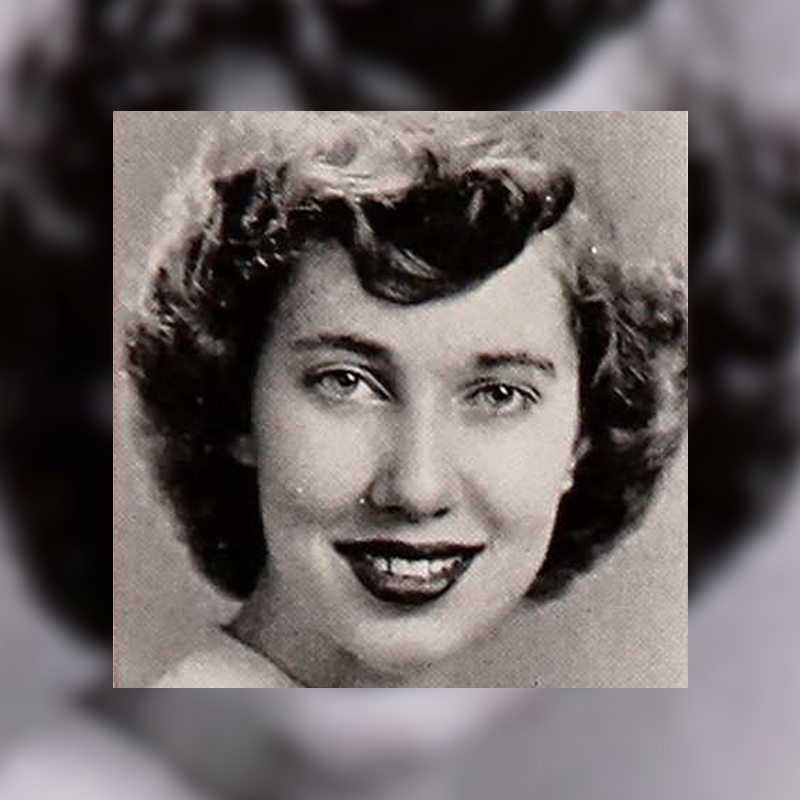
Margaret was 5 feet 8 inches tall and 140 pounds, with a fair complexion, shoulder-length reddish-brown hair, blue eyes, and horn-rimmed glasses. When she vanished, she may have been wearing a yellow sweater and slacks. But what she apparently was not wearing was the kind of clothing anyone would expect a person to put on before stepping out into a New England morning in late January. Her winter jacket and boots were still at the house. So were her watch and purse.
Police and fire officials responded first, then local searchers joined in. The Coast Guard was called, and helicopters and aircraft swept the east end from above while searchers on the ground worked through roads, beaches, ponds, scrub, and houses. If Margaret had walked toward the beach closest to her home, there should have been some sign of her. But public reporting by Hobson Woodward for the Inquirer and Mirror later noted there were no footprints on the beach near her house.
Divers checked Tom Nevers Pond, near Margaret’s home, and by the end of that first push, much of the east end of Nantucket had been scoured for any sign of her without results.
Nantucket is beautiful, but it is also contained. You leave by water, or you leave by air. So, police checked with the Steamship Authority to see whether Margaret had boarded the morning boat back to the mainland. That check was negative.
Airport checks didn’t produce any clues either. Hyannis Airport confirmed Margaret’s car was still there in the spot she always left it. Case file documents I obtained from the Nantucket Police Department state that checks at a local hospital showed no one by Margaret’s name on the list of patients.
By the second day, January 27th, the search was reduced to a more limited scope, with six mobile units and one aircraft. The island was still aware. People were still looking, but the first wave of urgency had passed.
There was no evidence Margaret had left Nantucket, but there wasn’t any evidence she was still on the island either. Everything about the location should have made Margaret easier to find. Instead, it made her disappearance feel almost impossible. How does a woman vanish from an island in the middle of January? Or maybe the better question was: why?
About Dr. Kilcoyne
Margaret Kilcoyne was not the kind of woman who fit neatly into anyone’s expectations.
She was from Worcester, Massachusetts, raised in what’s been described as a strict Christian family. By the time she disappeared, Margaret had already done the kind of thing that required stubbornness, brilliance, and a certain willingness to walk into rooms where people may not have expected to see her.
She graduated from the Boston Children’s Hospital School of Nursing in 1951 and became a registered nurse, then went on to Boston University, and then to medical school at the University of Vermont. According to later reporting, Margaret was the first woman ever accepted into UVM’s medical school.
Margaret went on to do her residency in medicine at Columbia Presbyterian Hospital in New York. According to reporting by The Inquirer and Mirror, by 1980, she was a medical researcher on the faculty of the Columbia University College of Physicians and Surgeons. She was known and respected for her work on hypertension, including childhood hypertension, and had authored papers published in medical journals. Hypertension is high blood pressure: too much force inside the blood vessels, over and over again, putting strain on the heart and the rest of the body.
This was her world: hospitals, labs, data, pressure, deadlines, the politics of academic medicine, and the endless grind of trying to prove something before someone else did. But Nantucket was something else.
Margaret had been approved to build a new home at Tom Nevers Head in November of 1972. It was her second home, but it does not read like some casual summer place she visited when it was convenient. Nantucket was her escape from just about everything: the stress of her job, the pace of New York, and the weight of her research.
She loved the island’s off-season quiet, when Nantucket was not performing for visitors, the restaurants were quieter, the beaches were empty, and the whole place seemed to exhale.
Both on the island and back on the mainland, people found Dr. Kilcoyne absolutely fascinating. She had strong opinions and a loud voice. The police interviews in her case file describe her in overlapping ways: lively, witty, exuberant, excited, “charged up,” someone who could talk continuously when she was animated by an idea.
Dr. Earl Zimmerman, a neurologist at Columbia Presbyterian Hospital who had been working with Margaret on NIH-funded research connected to hypertension, said Margaret kept to herself and did not have many close friends.
Margaret could command a room and still live much of her life alone. She could be loud and opinionated and still private. She could be devoted to her work, deeply religious, difficult to follow at times, and still brilliant. In the period before she disappeared, people around her would describe that religious side as more pronounced – not separate from her research or her sense of purpose, but woven into it.
In January of 1980, Margaret believed she was on the edge of something extraordinary.
Her recent research was expected to be announced as a breakthrough in the treatment of hypertension. Her brother Leo told Ray Richard of the Boston Globe that she had discovered a way of isolating the causes of hypertension, that her work involved peptides, and that she needed a little more time before finalizing the research, but that she was extremely excited about it.
She was expected to present her findings at the 7th scientific meeting of the International Society of Hypertension in New Orleans that May.
To Margaret, the work was not just important. It was enormous. It was the kind of discovery she believed could change lives, maybe even change the world.
And in January of 1980, Margaret came back to Nantucket carrying all of that with her. To some people, she seemed joyful. To others, difficult to follow. And in the days before she vanished, the difference between brilliance, exhaustion, and alarm would become harder and harder to separate.
Dr. Margaret Kilcoyne’s story continues on Dark Downeast. Press play to hear the full episode wherever you get your podcasts.
Dr. Margaret Kilcyone, source: NamUS*
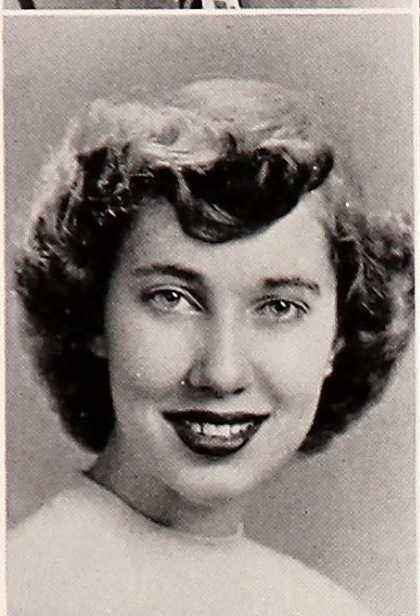
Margaret Kilcyone’s yearbook photo, North High School (1948), source: Ancestry.com**
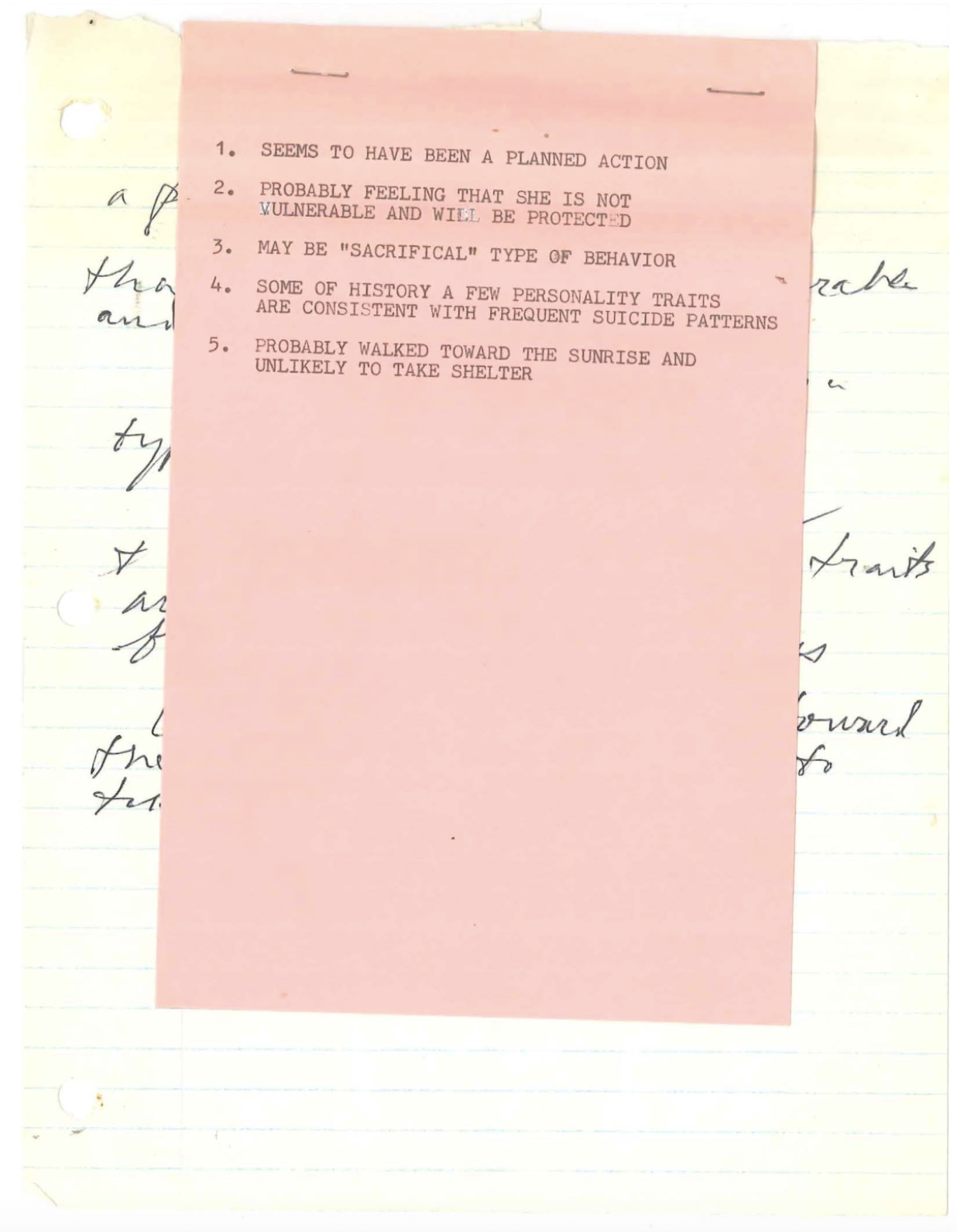
Psychologist’s profile of Dr. Margaret Kilcoyne, source: Nantucket Police Department Case #80-67 obtained via FOIA request
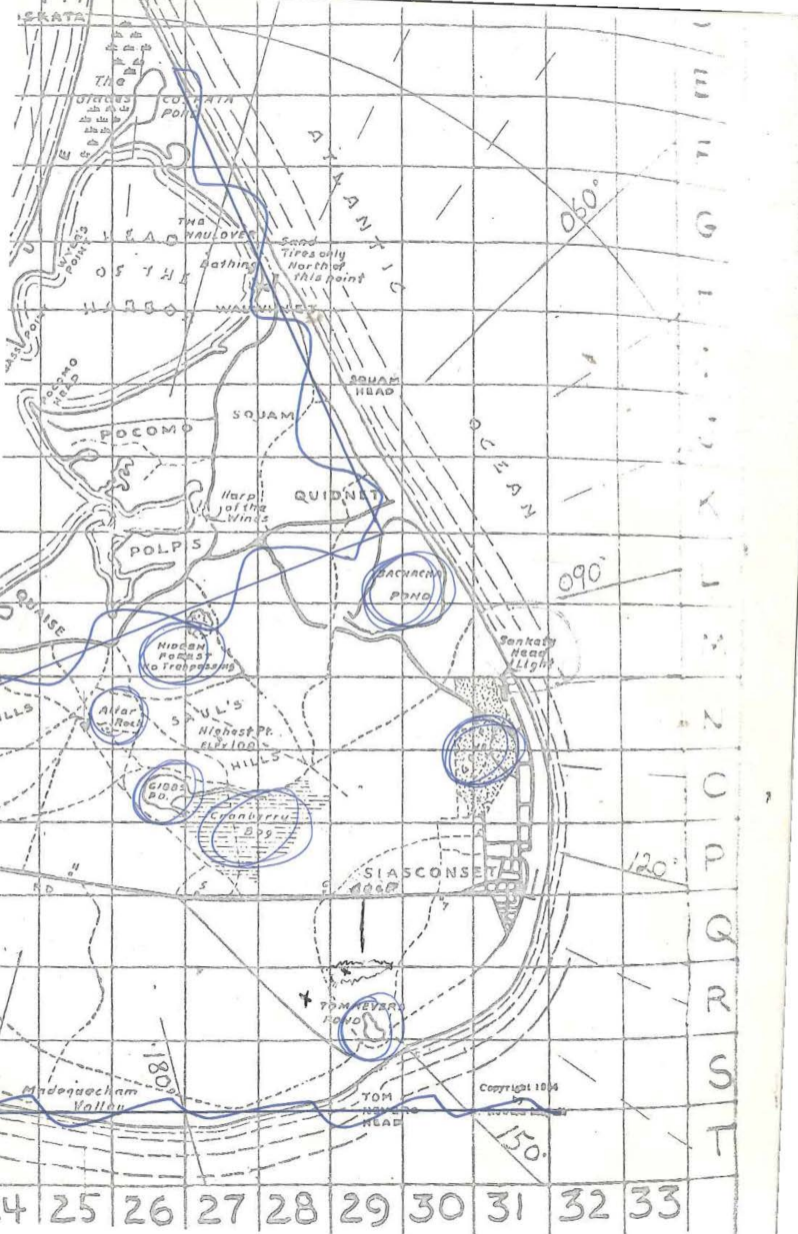
Map of areas searched for Dr. Margaret Kilcoyne, source: Nantucket Police Department Case #80-67 obtained via FOIA request
Episode Source Material
Photo Gallery
- * NamUS
- ** Ancestry.com
Other Source Materials
- Nantucket Police Department Case File documents, Case #80-67, obtained via FOIA request
- HDC gives extension to Relaxed Lobster, The Inquirer and Mirror, 2 Nov 1972
- Police continue search for Dr. Margaret Kilcoyne, The Inquirer and Mirror, 31 Jan 1980
- Island hunt for woman ends, Boston Globe, 6 Feb 1980
- She said goodnight, vanished by Ray Richard, Boston Globe, 7 Feb 1980
- Hunt for missing doctor continues – search plane makes forced landing after engine quits, The Inquirer and Mirror, 7 Feb 1980
- Blouse find confuses probe, Associated Press via The Republican, 12 Feb 1980
- Missing doctor’s blouse identified by Ray Richard, Boston Globe, 12 Feb 1980
- Quincy double not missing doctor, The Patriot Ledger, 13 Feb 1980
- Police extend search for missing doctor – travel to New York, Connecticut, Quincy, The Inquirer and Mirror, 14 Feb 1980
- Missing doctor, puzzling clues by Ray Richard, Boston Globe, 17 Feb 1980
- Search for missing doctor raises more questions than it answers by Gary Holmes, The Inquirer and Mirror, 21 Feb 1980
- Air hunt for doctor fails, Boston Globe, 22 Feb 1980
- Police now doubt Kilcoyne suicide by Ray Richard, Boston Globe, 5 Mar 1980
- Kilcoyne case still a mystery, Police to seek subpoena powers, The Inquirer and Mirror, 6 Mar 1980
- Police say missing doctor may be alive, The Berkshire Eagle, 8 Mar 1980
- Columbia’s ‘lost’ scholar still a Nantucket mystery by Michael Knight, New York Times, 11 Mar 1980
- Theories abound, but no new facts surface in Kilcoyne disappearance, The Inquirer and Mirror, 13 Mar 1980
- Dr. Kilcoyne’s concern revealed in tape of conversation, The Inquirer and Mirror
- The Lady Vanishes by Linda Wolfe, New York Magazine, 14 Apr 1980
- Mainland press remains intrigued with Kilcoyne case by Gary Holmes, The Inquirer and Mirror, 24 Apr 1980
- Kilcoyne’s partner presents their findings by Marjorie Roehl, Boston Globe, 14 May 1980
- Petition filed for Kilcoyne property, The Inquirer and Mirror, 26 Jun 1980
- Commonwealth of Massachusetts Probate Court Notice, The Inquirer and Mirror, 26 Jun 1980
- Leo Kilcoyne receives property, The Inquirer and Mirror, 17 Jul 1980
- Maine police spot Kilcoyne lookalike, The Inquirer and Mirror, 11 Dec 1980
- Maine Kilcoyne lookalike, The Inquirer and Mirror, 31 Dec 1980
- Missing doctor: A year later, disappearance still mystery, Associated Press via Daily Hampshire Gazette, 22 Jan 1981
- Kilcoyne mystery still a mystery by Gary Holmes, The Inquirer and Mirror, 22 Jan 1981
- Police department log a variety of thefts and vandalism, The Inquirer and Mirror, 19 Mar 1981
- This mystery is 2 years old today by Ray Richard, Boston Globe, 26 Jan 1982
- Land transfers, The Inquirer and Mirror, 8 Apr 1982
- Petition rekindles interest in ‘80 disappearance by Ray Richard, Boston Globe, 8 Jan 1989
- Eight years later, Kilcoyne disappearance still a mystery by Hobson Woodward, The Inquirer and Mirror, 5 Jan 1989
- Mystery ends, Kilcoyne declared dead by Michael P. Norton, The Inquirer and Mirror, 13 Jul 1989
- Nantucket’s greatest unsolved mystery: The disappearance of Dr. Margaret Kilcoyne by Jason Graziadei, Nantucket Current, 12 May 2021
- Human jawbone found on Nantucket beach less than 100 years old by Zane Razzaq, Cape Cod Times, 16 Feb 2023
- Documentary: Lost in Nevers Land, directed by Penny Dey